Importing Toys into the UK After Brexit: What Changed for the Importer
Brexit moved a set of legal duties onto the UK importer that used to sit with an EU distributor. Here is what that means in practice when you buy toys from Turkey.
Before 2021, a UK buyer bringing goods in from an EU supplier was a distributor. The paperwork sat somewhere else. Someone in Rotterdam or Hamburg had already done the conformity work, and the box arriving in Manchester carried a chain of responsibility that reached back into the single market.
That chain broke. If you buy toys from outside the UK now — Turkey, China, anywhere — you are the importer, and importer is a defined role with defined duties. Most of the buyers we speak to know this in the abstract. Fewer have looked at what it actually asks of them.
Importer, not middleman
The Toys (Safety) Regulations 2011 assign obligations by role, not by company size. A one-person operation bringing in twenty cartons carries the same duties as a national distributor bringing in containers. Those duties include making sure the manufacturer has carried out the right conformity assessment, that the technical documentation exists, that the marking is applied, and that instructions and safety information reach the end user in English.
You are not expected to have run the tests yourself. You are expected to be able to show that they were run, by whom, and against what.
The practical consequence: your supplier relationship changes shape. A supplier who sends you a photograph of a certificate and nothing else has left you holding a duty you cannot discharge.
UKCA and CE: the short version
This is where most confusion sits, partly because the position has moved more than once since 2021. The UKCA mark was introduced as the domestic conformity marking for Great Britain. The deadline for switching away from CE has been extended, and for many product categories including toys, CE marking continues to be accepted for placing goods on the GB market.
Two things follow from that. First, a Turkish manufacturer producing to EN 71 with CE marking is not automatically a problem for a GB importer. Second — and this is the part worth acting on — the position is policy, and policy moves. Check the current requirement with your customs broker or a compliance consultant before you commit to a production run, not after the goods are on the water. Northern Ireland operates under different arrangements again.
What does not move is the underlying safety standard. BS EN 71 is the harmonised standard in both cases. A supplier who can produce test reports against EN 71-1, EN 71-2 and EN 71-3 from an accredited laboratory has given you the substance; the marking question is about which label goes on the box.
What the technical file has to contain
The manufacturer holds the technical documentation. You need to be able to get at it. In practice that means asking, before the order, whether the supplier will provide it on request and in what form.
- Test reports naming the specific product, not a similar one from the same factory
- The laboratory's accreditation details
- A declaration of conformity that identifies the item by name and code
- A description of the design and manufacture sufficient to show how conformity was reached
The single most useful question is narrow: which article code does this test report cover? A factory with organised documentation answers in one line. A trading company that bought the goods on somewhere else usually cannot.
Labelling in English
Safety information, warnings and age grading have to reach the UK consumer in English. For a small novelty item this is a packaging question, and packaging is decided before production, not after.
We make three products — a stress spring, a team-colour version and a pop bag — and the English-language packaging conversation happens at quotation stage every time, because reprinting a carton run after the fact costs more than the margin on the order.
If you sell through a retailer with its own packaging standard, raise it in the first message. Waiting until the sample arrives adds a fortnight.
Origin documents still matter
The UK and Turkey concluded a bilateral free trade agreement after Brexit, which preserved the tariff position that had previously come through the EU–Turkey customs union. Preferential treatment depends on origin being evidenced correctly, so the paperwork travelling with the goods is not a formality.
Your broker will tell you exactly which document they need for the shipment in front of them. Ask the supplier whether they can issue it before you place the order — most Turkish manufacturers exporting regularly can, but it is a poor time to find out at the port.
What to keep, and for how long
Importers are expected to keep the declaration of conformity and a copy of the technical documentation available for a defined retention period, and to be able to produce it if a market surveillance authority asks. Trading Standards is the body that asks.
Practically: keep a folder per article code, with the test reports, the declaration, the supplier's contact details and the packaging artwork you approved. If you ever need it, you will need it quickly.
Where Turkey fits, and where it does not
Honestly assessed: for a full 40-foot container of the cheapest possible unit, with a six-month planning horizon and no urgency, Far Eastern suppliers usually win on unit price and it is not close.
Turkey wins on a narrower set of conditions, and those conditions describe a lot of UK buyers. Road groupage from Istanbul reaches the UK in a fraction of the time a sea shipment from the Far East takes. Minimum order quantities are smaller, so a category test does not cost you a container. And when a line sells out three weeks before a season peaks, the difference between a supplier who can ship next week and one who cannot is the entire margin on that season.
If your ordering pattern is small and frequent rather than large and infrequent, that is the case for a Turkish supplier. If it is not, be honest with yourself about it.
Before you place the first order
Four questions, in this order. Are you a factory or a trading company? Which article codes do your EN 71 reports cover? What are the carton dimensions, gross and net weight, and CBM? What is the lead time from order confirmation to collection?
You will learn more from how those four are answered than from any amount of company profile.
We have manufactured in Istanbul since 1997 and our test reports are held against specific article codes. If you want to work through the documentation for a specific line before committing, message us on WhatsApp — it is the fastest way to reach us, and we answer with the carton data rather than a brochure. You can also see the full range on the products page or use the contact page.
This article describes a process, not legal advice. Regulatory requirements change and depend on the specific goods and route. Confirm the current position with your own customs broker or compliance adviser before shipping.
Manufacturer Prices
See Our Products
Manufacturing in Istanbul since 1997. EN 71 certified, dispatch within 24 hours, FOB and CIF terms.
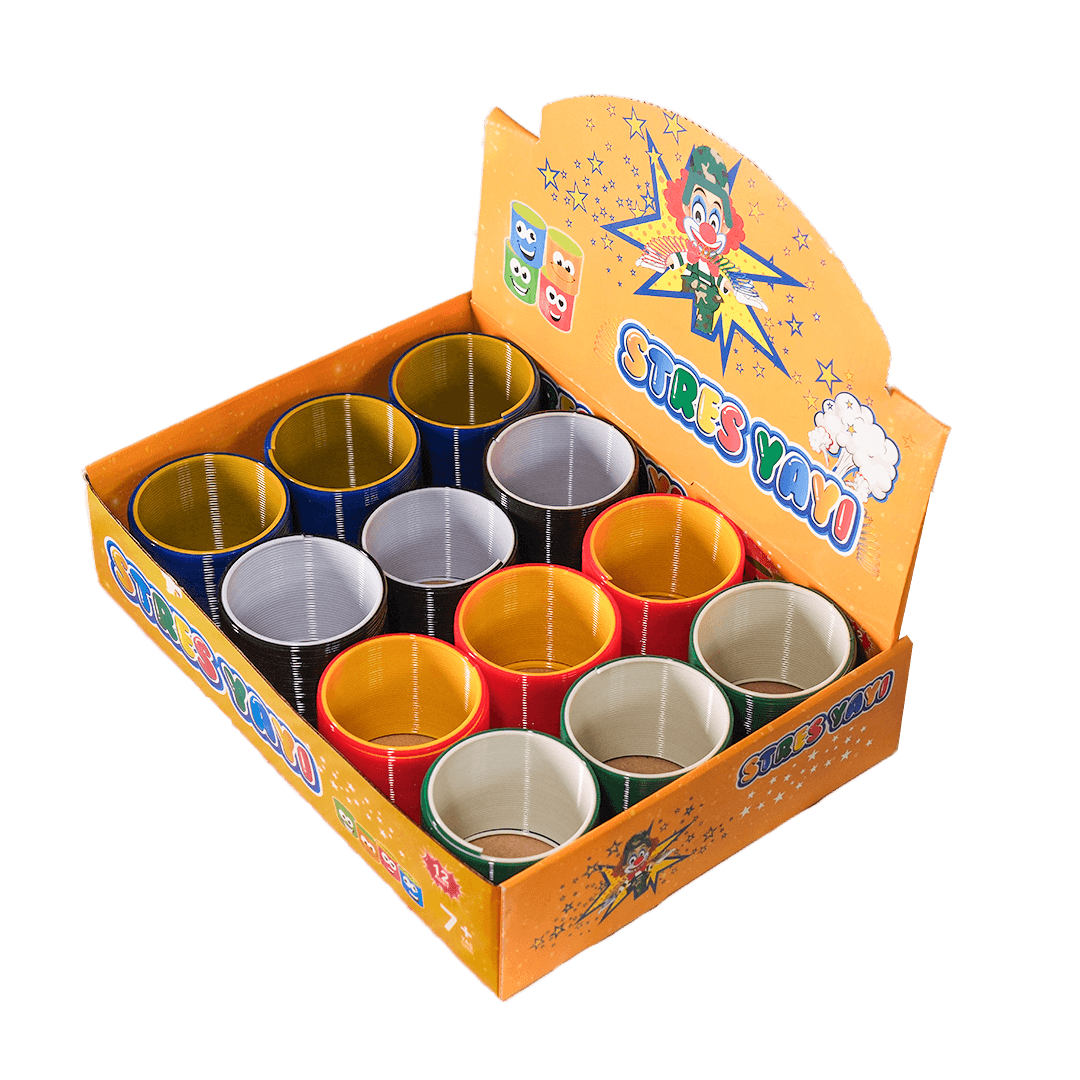
Team Colour Magic Spring
Two-tone stress spring in team colours, boxed. Wholesale from the manufacturer — EN 71 certified, produced in Istanbul.
View product →Wholesale Magic Spring
The classic magic spring — a rainbow coil that walks, stretches and springs back. Sold in bulk, mixed colours available on one pallet.
View product →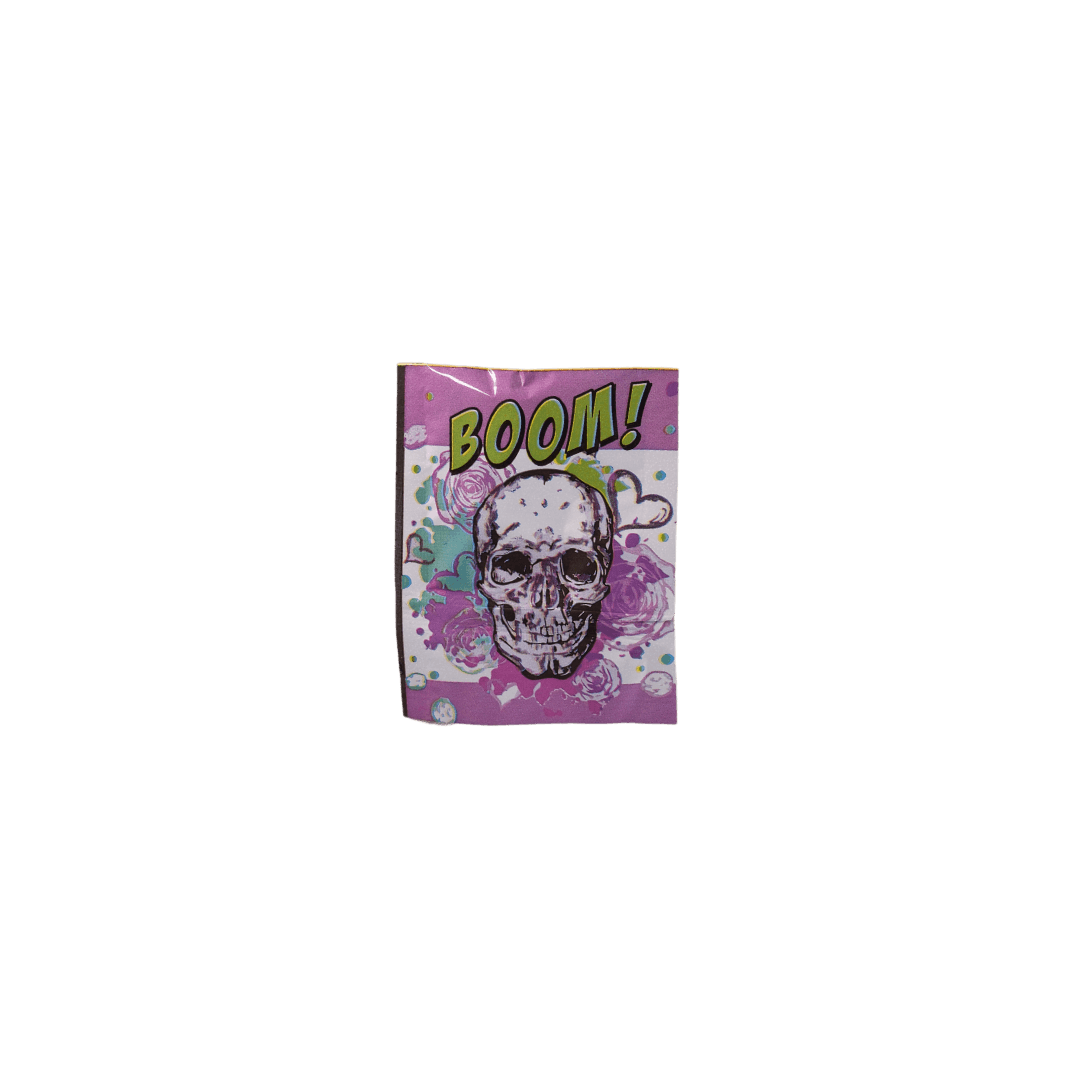
Wholesale Bang Bag
The classic shake-and-slam prank bag. No smell, no mess — just the bang. Wholesale from the factory.
View product →