BS EN 71 Test Reports: How to Read One Before You Order
A test report is a document with a scope, a date and a subject. Most buyers check that it exists. Fewer check what it actually covers — which is where the problems start.
A supplier sends a PDF. It has a laboratory letterhead, a reference number, a table of results and the word PASS in several places. The buyer files it and places the order.
About half the time that is fine. The other half, the report covers a product that is not quite the one being shipped, or was issued four years ago, or comes from a laboratory whose accreditation does not extend to the tests listed. None of that is visible unless you look for it.
Reading one properly takes about ten minutes. Here is what to look at.
The three parts, and what each is actually for
EN 71-1 — mechanical and physical properties. This is the part that matters most for small items. It covers small parts, sharp edges and points, the strength of joints, and the torque and tension tests that determine whether a component comes off in a child's hand. For a spring toy, the tension test is the meaningful one. For anything with a small detachable element, the small-parts cylinder is.
EN 71-2 — flammability. Concerned with how the material behaves when exposed to a flame, and the rate of spread. Less contentious for rigid plastic items than for textiles, but it belongs in the file.
EN 71-3 — migration of certain elements. This is the chemical one. It sets limits on how much of nineteen elements — lead, cadmium, chromium, barium and others — can migrate out of the material under conditions simulating a child mouthing the toy. Limits differ by material category, so the report should say which category the sample was assessed against.
Reports covering only EN 71-1 are common and are not, by themselves, sufficient. Ask for all three.
Check the subject of the report first
The most common gap is scope. A report is issued against a sample, and the sample is described somewhere near the top of the document: material, colour, dimensions, article code.
Compare that description with what you are buying. If the report describes a 6 cm two-tone spring and you are ordering a 5 cm single-colour one, the report may still be relevant — the base polymer is often the same — but it does not cover your item on its face. Ask the supplier directly whether the tested article and the ordered article are the same material and process, and get the answer in writing.
If a supplier cannot map article codes to reports, that tells you something about how the goods are made and where.
The laboratory and its accreditation
A report should identify the laboratory and its accreditation body and number. Accreditation is scoped: a laboratory accredited for mechanical testing is not automatically accredited for chemical migration.
You do not need to become an expert in this. You need the accreditation reference to be present on the document, because a report without one is an assertion rather than an attestation.
Dates, and what they mean
EN 71 reports do not carry an expiry date in the way a licence does. What they carry is an issue date, and the question is whether anything material has changed since — the material formulation, the supplier of the raw polymer, the production process, or the standard itself.
A sensible rule of thumb: if a report is more than about three years old and the buyer is placing a substantial order, ask when it was last refreshed. A manufacturer testing on a regular cycle will say so without being pushed.
What a good answer sounds like
Send one message with three questions and read the shape of the reply.
- Which article codes do your current EN 71 reports cover?
- Which laboratory issued them and when?
- Can you send parts 1, 2 and 3 for the specific item I am asking about?
A factory answers in a few lines and attaches files. A trading company asks which product you mean, goes quiet for a day, and comes back with a report for something adjacent. Neither response is dishonest. They just tell you different things about who you are dealing with, and therefore about what happens when something goes wrong on the third order.
Phthalates and other tests beyond EN 71
EN 71-3 covers element migration. Restrictions on phthalates in toys sit in separate legislation, and a buyer selling into the UK should know whether a phthalate test has been carried out. PAH testing is another that comes up, particularly for coloured or rubberised components.
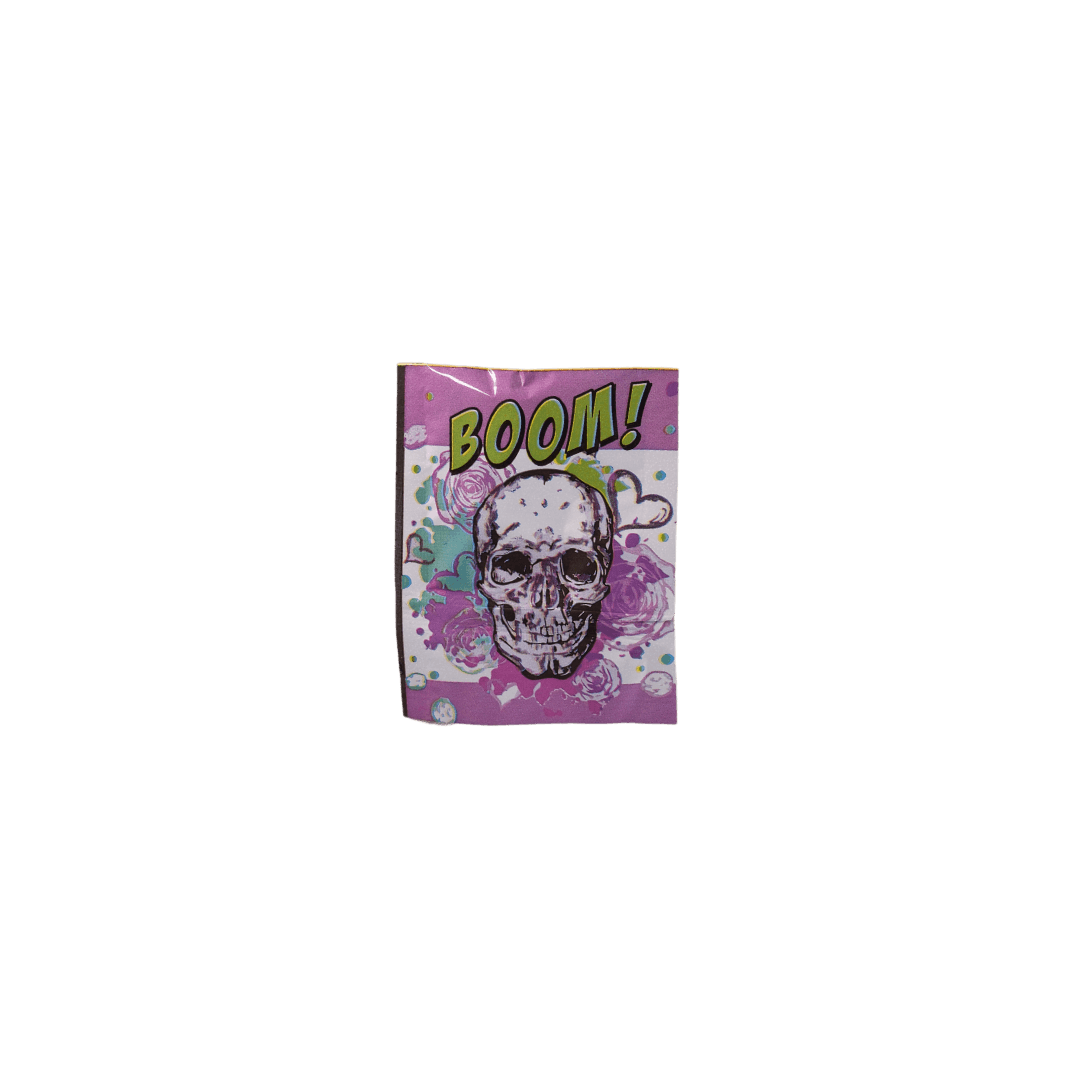
Our own stress springs and pop bags are tested against EN 71-1, -2 and -3 with phthalate and PAH testing carried out alongside, by accredited independent laboratories. We say that here because it is the sort of claim a buyer should ask to see evidenced — including from us.
Keep the file, not just the PDF
As the UK importer you may be asked to produce documentation by Trading Standards. What you want at that point is a folder per article code containing the reports, the declaration of conformity, the packaging artwork and the supplier correspondence establishing which report covers which code.
Building that folder at order stage takes twenty minutes. Reconstructing it two years later from an email archive takes a day and sometimes fails.
The short version
Check that the report describes the item you are buying. Check that it covers parts 1, 2 and 3. Check that the laboratory is named and accredited. Ask when it was last refreshed. Then file it against the article code.
If you want to work through the documentation for a specific line, message us on WhatsApp and we will send the reports for the exact code rather than a general folder. The full range is on the products page.
This is a practical guide, not legal or compliance advice. Requirements depend on the product and the market. Confirm your own obligations with a competent adviser.
Manufacturer Prices
See Our Products
Manufacturing in Istanbul since 1997. EN 71 certified, dispatch within 24 hours, FOB and CIF terms.
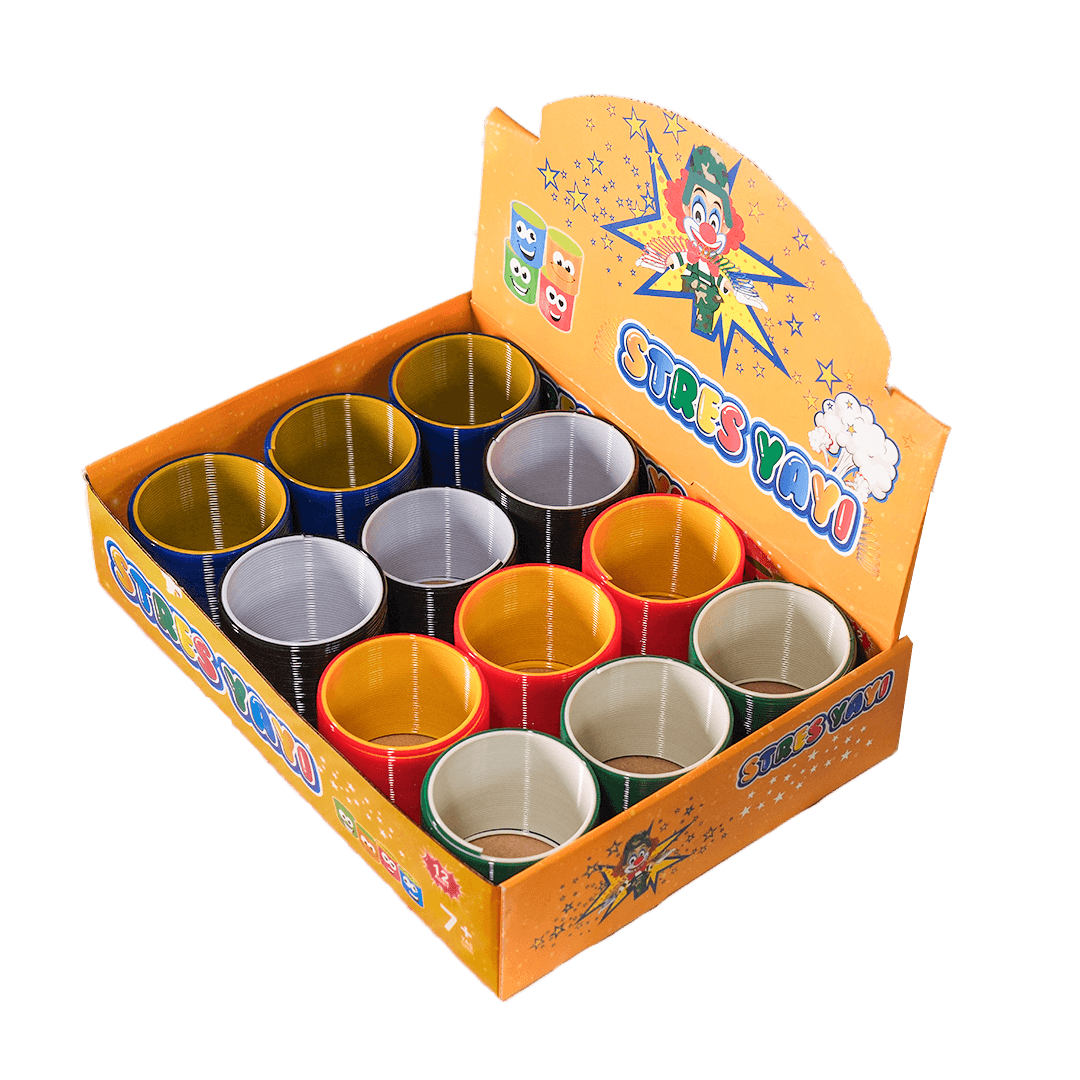
Team Colour Magic Spring
Two-tone stress spring in team colours, boxed. Wholesale from the manufacturer — EN 71 certified, produced in Istanbul.
View product →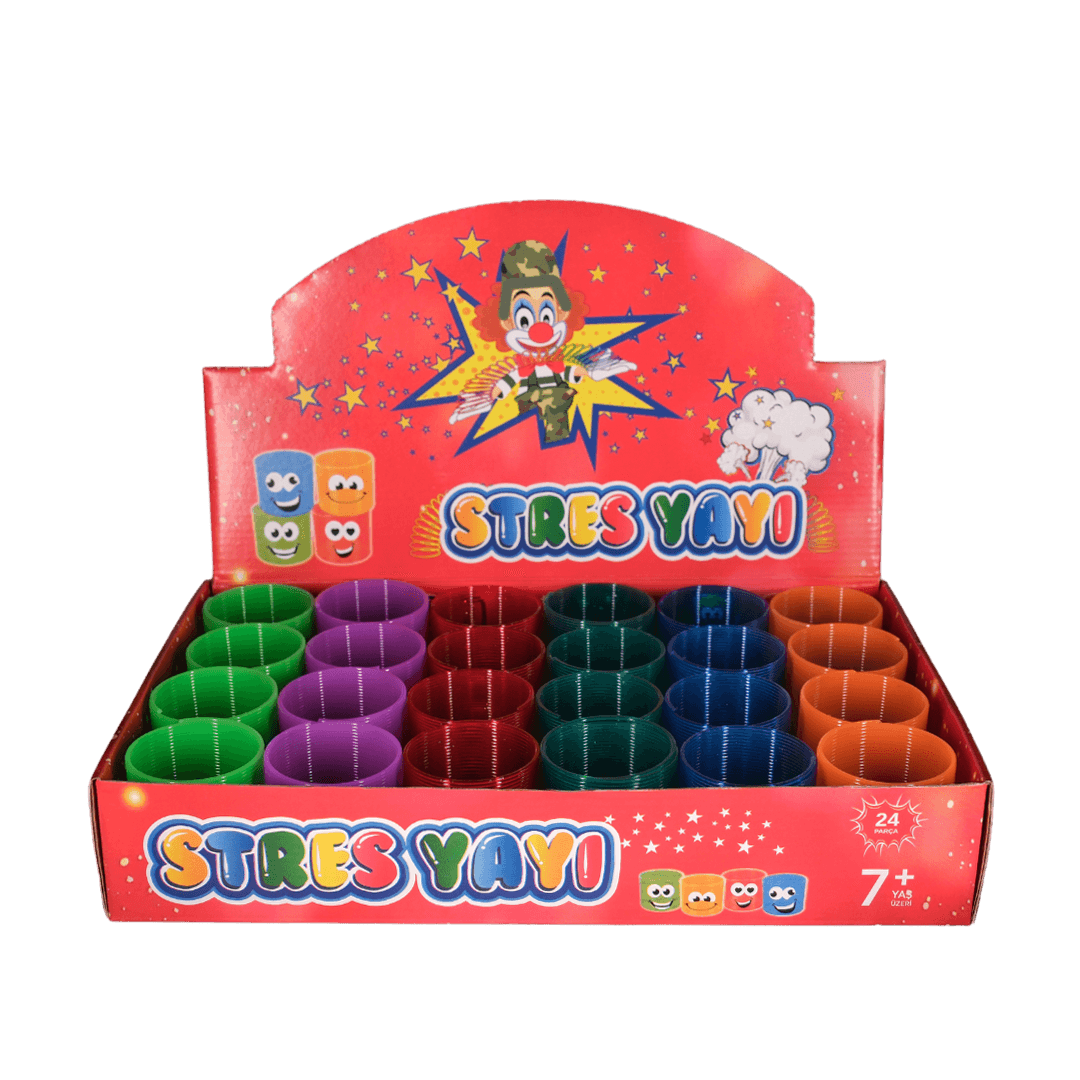
Wholesale Magic Spring
The classic magic spring — a rainbow coil that walks, stretches and springs back. Sold in bulk, mixed colours available on one pallet.
View product →Wholesale Bang Bag
The classic shake-and-slam prank bag. No smell, no mess — just the bang. Wholesale from the factory.
View product →